Main Content
Date of lecture: November 4, 2026
Abstract
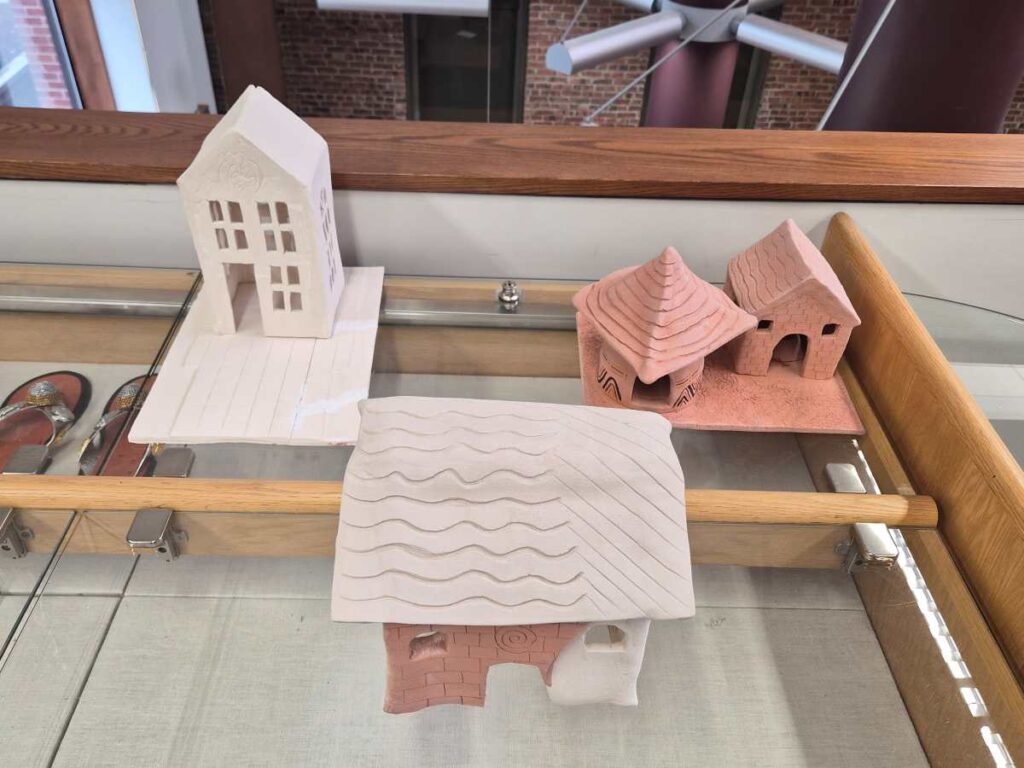
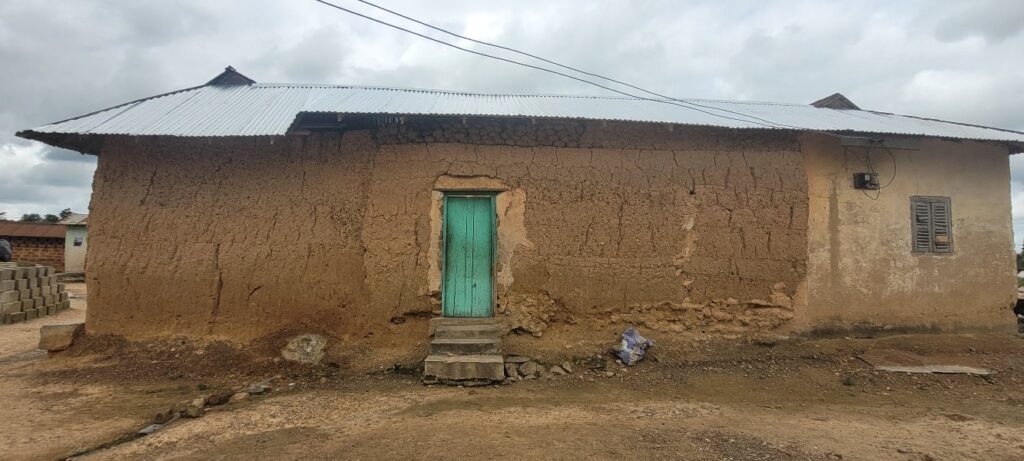
Students are often positioned as recipients of knowledge, yet they actively produce, interpret, and transmit it through their research and design work. This became unmistakable as I moved through my own research. What began as a simple question about the decline of vernacular homes in Ghana quickly deepened into an inquiry about how indigenous knowledge systems are recognized, valued, and transmitted within design.
The long-standing marginalization of indigenous knowledge has reshaped communities’ ways of life, not only through Eurocentric ideologies, but also through the ways students and practitioners engage with these knowledge systems. This devaluation of the vernacular can begin in the classroom, where ways of building that deviate from perceived norms are often dismissed. We learn from professors, conduct research, interpret information, and produce work that enters a broader circulation of ideas, carrying consequences beyond the classroom. My thesis became a catalyst for examining this process, overturning many of my assumptions and revealing how knowledge is practiced, contested, and remembered.
Conversations with local builders revealed that adobe construction was far more labor-intensive than I assumed, while cement was often preferred for its modern appearance. These perspectives complicated my initial understanding of material decline and the disappearance of vernacular forms. They shifted the focus of my thesis from an investigation of materials toward a deeper questioning of knowledge itself: Who defines and values knowledge, and what happens when design frameworks determine what counts as legitimate?
These questions eventually intersected with Anita Bakshi’s work on landscape architecture pedagogy, not because our subjects aligned, but because both inquiries examined how knowledge is produced, transmitted, recognized, and taught. This epistemological connection created an unexpected opportunity for collaboration, pushing me to rethink my thesis and identify which perspectives were meaningful to contribute. The collaboration ultimately brought together two viewpoints: my perspective as a student and researcher and Anita’s as an educator and researcher, forming a dialogue between them.
I am not offering my experience as a formula for publication. Rather, I am urging fellow students to take their questions seriously, follow where they lead, pay attention to how those questions emerge through the work, and remain open to reinterpretation and collaboration. Essentially, consider what your research may become once the original project is finished.
Bio
Martha Afflu is a recent graduate of the Department of Landscape Architecture at Rutgers University, where she completed her BSLA and later her Master of Landscape Architecture. Her research focuses on colonial legacies, vernacular architecture, and Indigenous building knowledge systems, particularly within the Ashanti region of Ghana. Grounded in both disciplinary inquiry and her identity as a Ghanaian American with ethnic roots in the region, her graduate thesis examines how Western design frameworks often privilege modern materials, efficiency, and aesthetics while overlooking cultural resilience, ecological adaptation, and heritage continuity. Her work highlights the continuity of vernacular systems and practices not only as material traditions but also as ways of relating to land, labor, and cultural memory.