Main Content
Margaret O. Cekada Memorial Lecture
April 8, 2026
Abstract
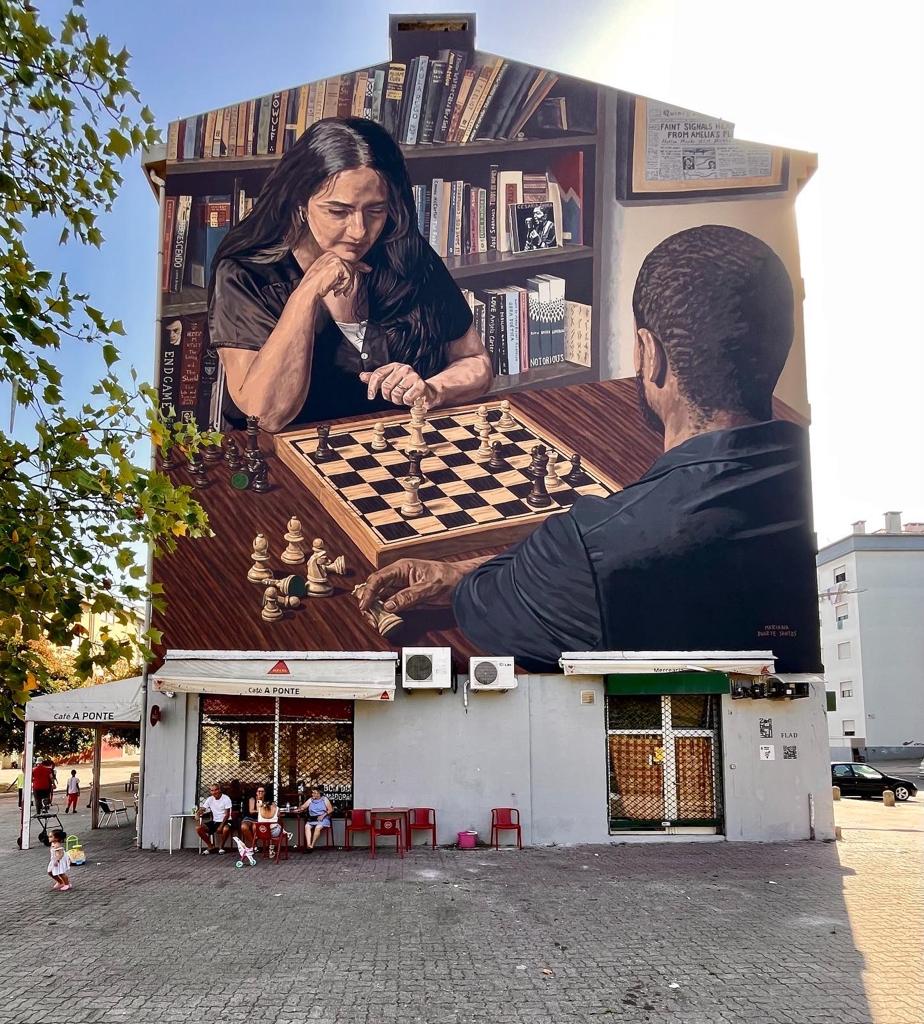
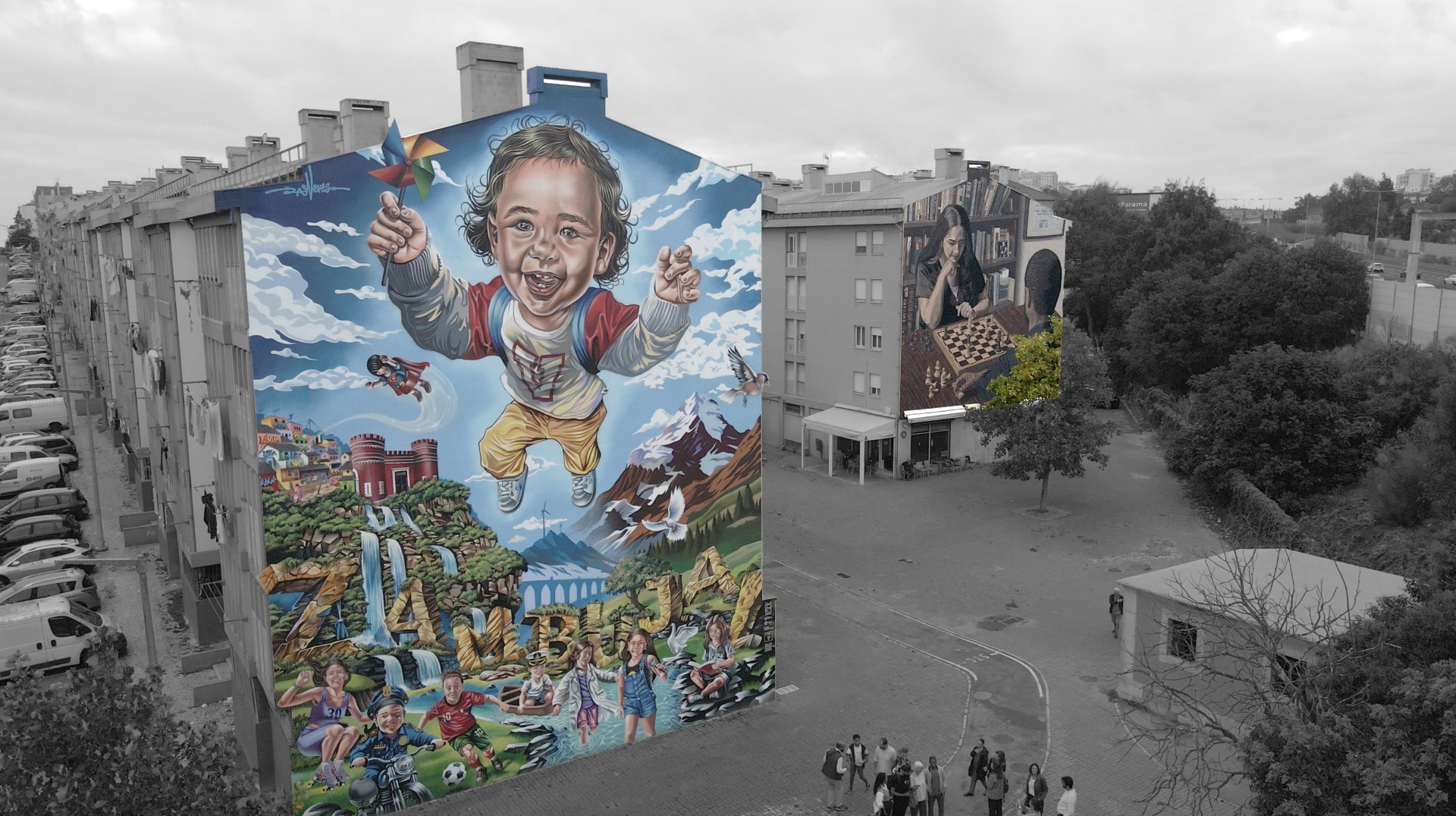
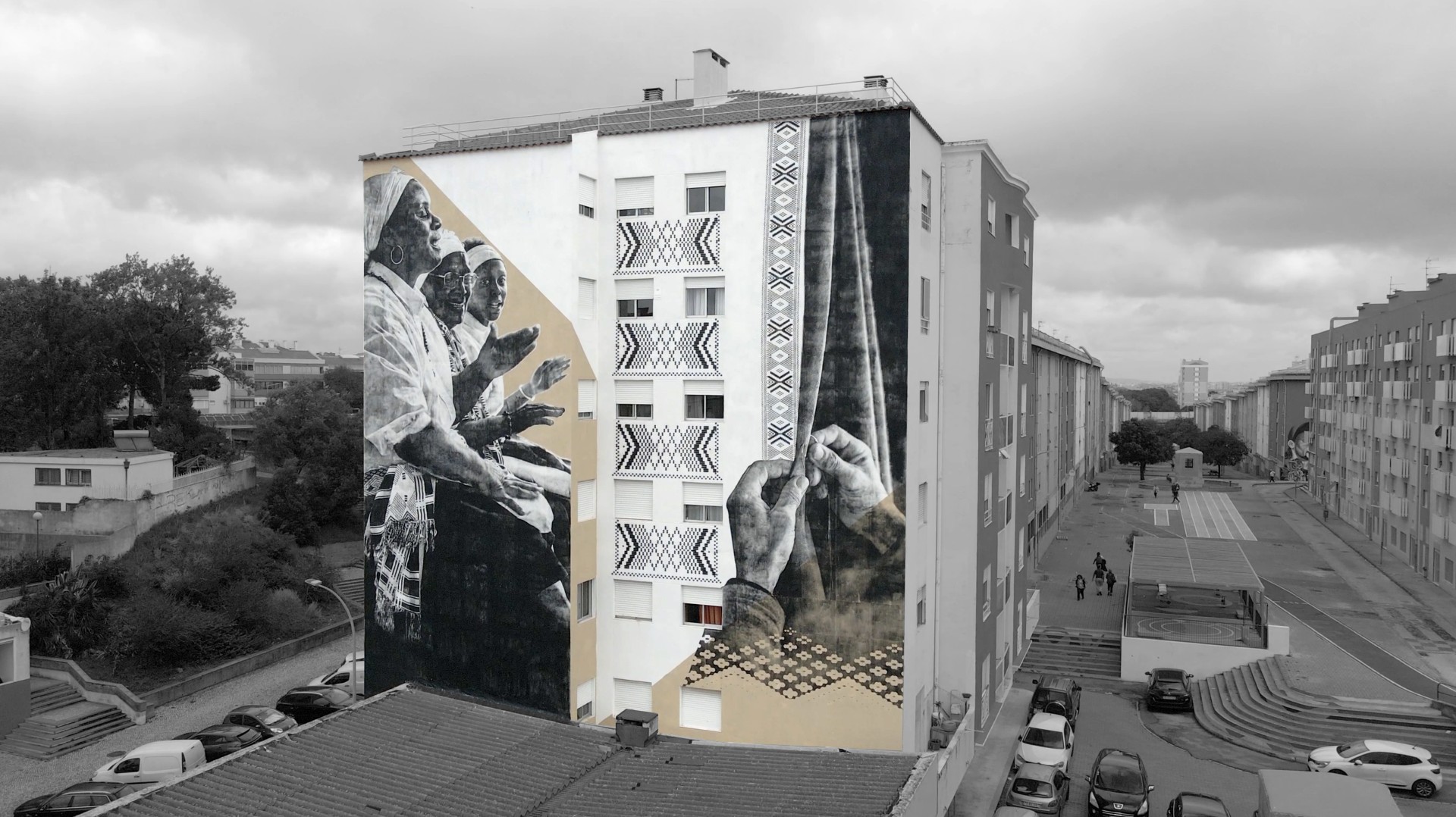
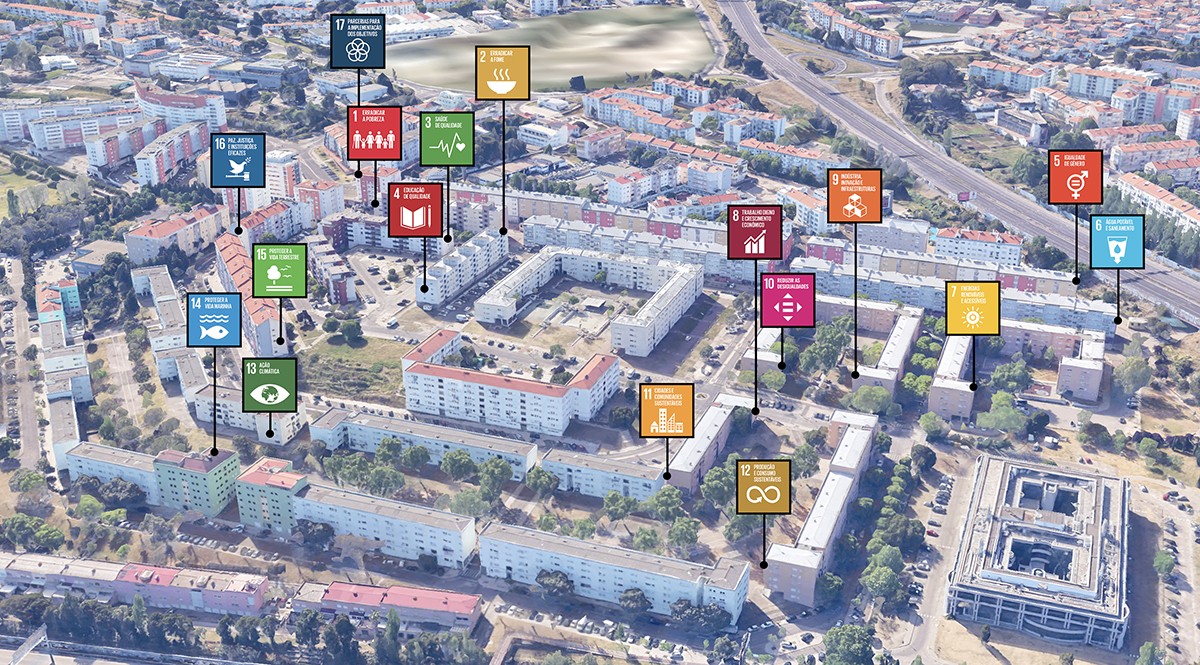
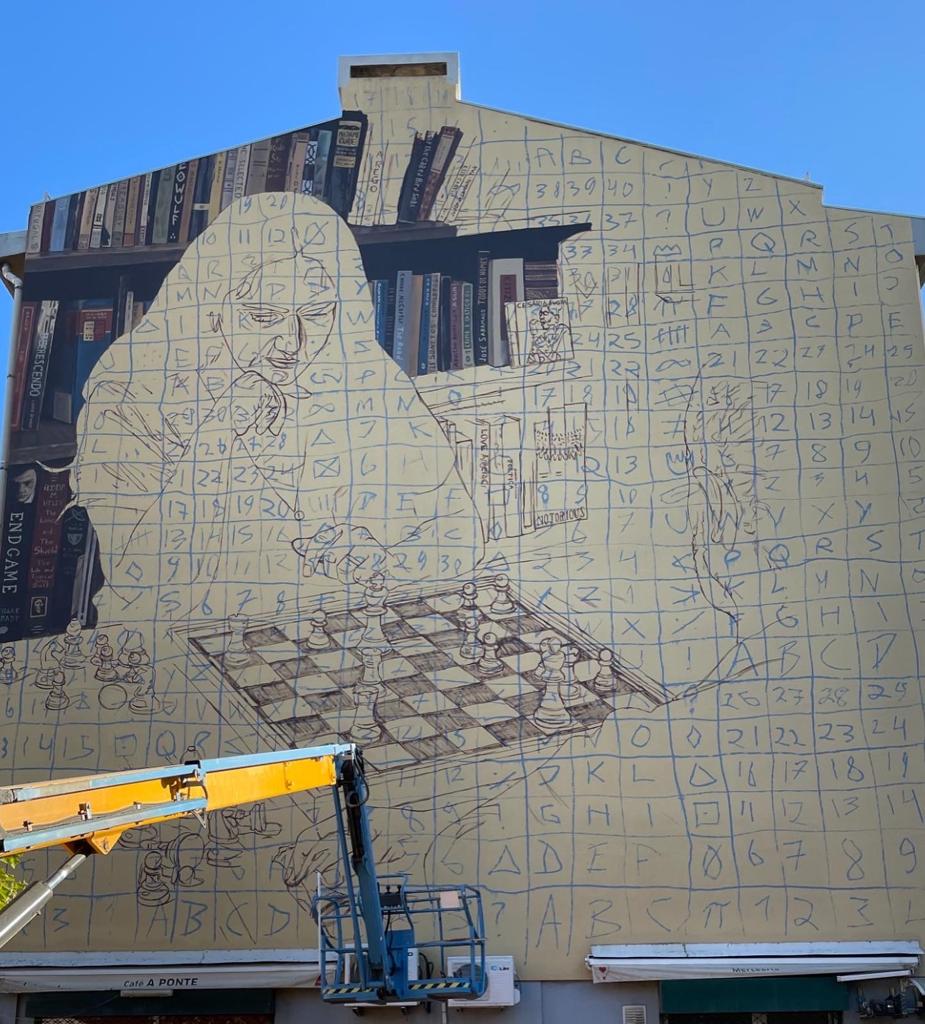
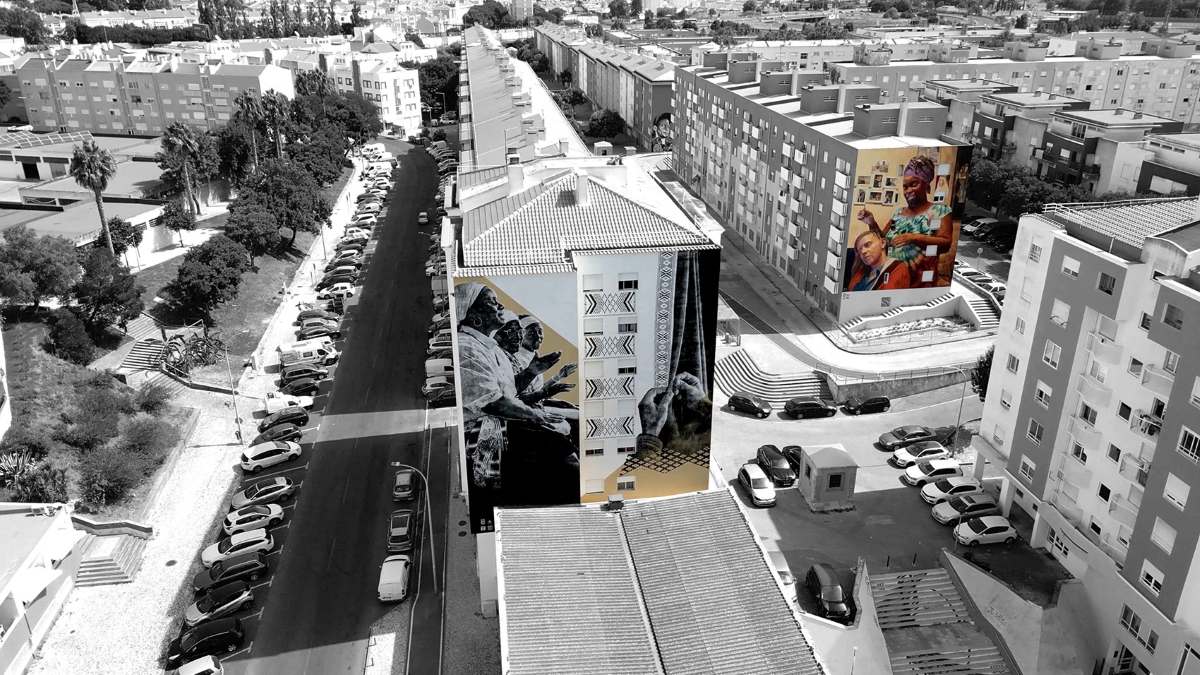
How might the United Nations’ Sustainable Development Goals relate to a peripheral neighborhood in Lisbon, Portugal? At first consideration, the connection may seem negligible. However, Zambujal, a public housing project built between 1972 and 1986, offers a relevant case study for examining the local articulation of the 17 Global Goals.
Shaped by a multicultural population of Portuguese migrants, Cape Verdean immigrants, and Roma communities, Zambujal experienced significant social challenges during the 1980s and 1990s. With the new millennium, a generational shift emerged as younger residents pursued education, entered the workforce, and assumed leadership roles
In 2021, during global lockdowns, two non-profit associations initiated a project to transform Zambujal into a “social neighborhood” aligned with the Global Goals. The initiative combines street art, community engagement, sustainability education, and environmental awareness to foster social cohesion.
Bio
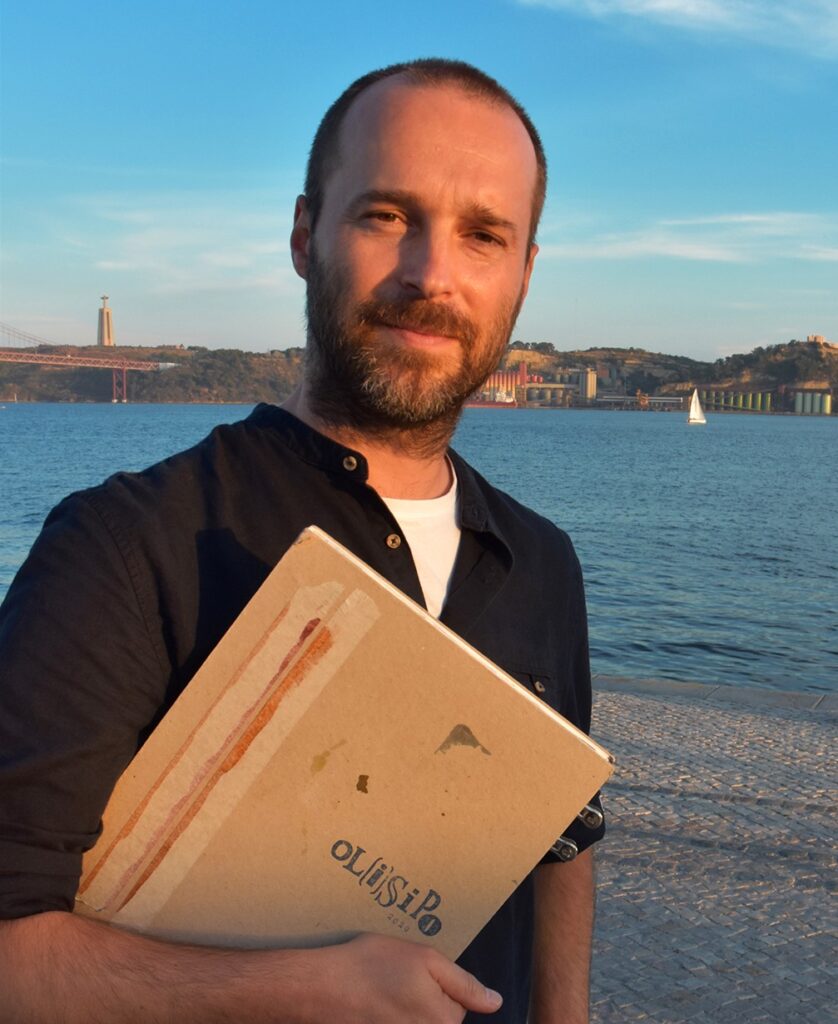
Mário Linhares likes to link art with community projects. In drawing, he uses the sketchbook as a tool to explore new ways of drawing. Has two bachelor’s degrees, one in Landscape Design and one in Industrial Design, an M.A. in Visual Arts Education, and a Ph.D. in Fine Arts, with a specialty in Drawing. A professor in Lisbon, he’s a member of the Research Center and Studies in Fine Arts at the University of Lisbon. Linhares started Urban Sketchers Portugal in 2009, joined the international executive board in 2011, and served as education director until 2019. Author of several books, articles, and essays, contributes drawings to exhibitions, and delivers lectures worldwide.