Main Content
October 1, 2025
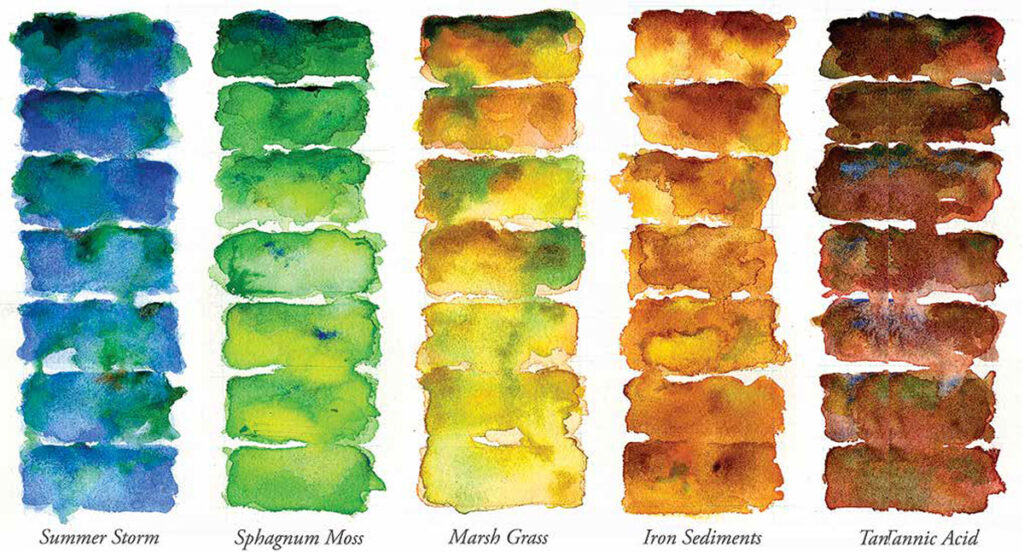
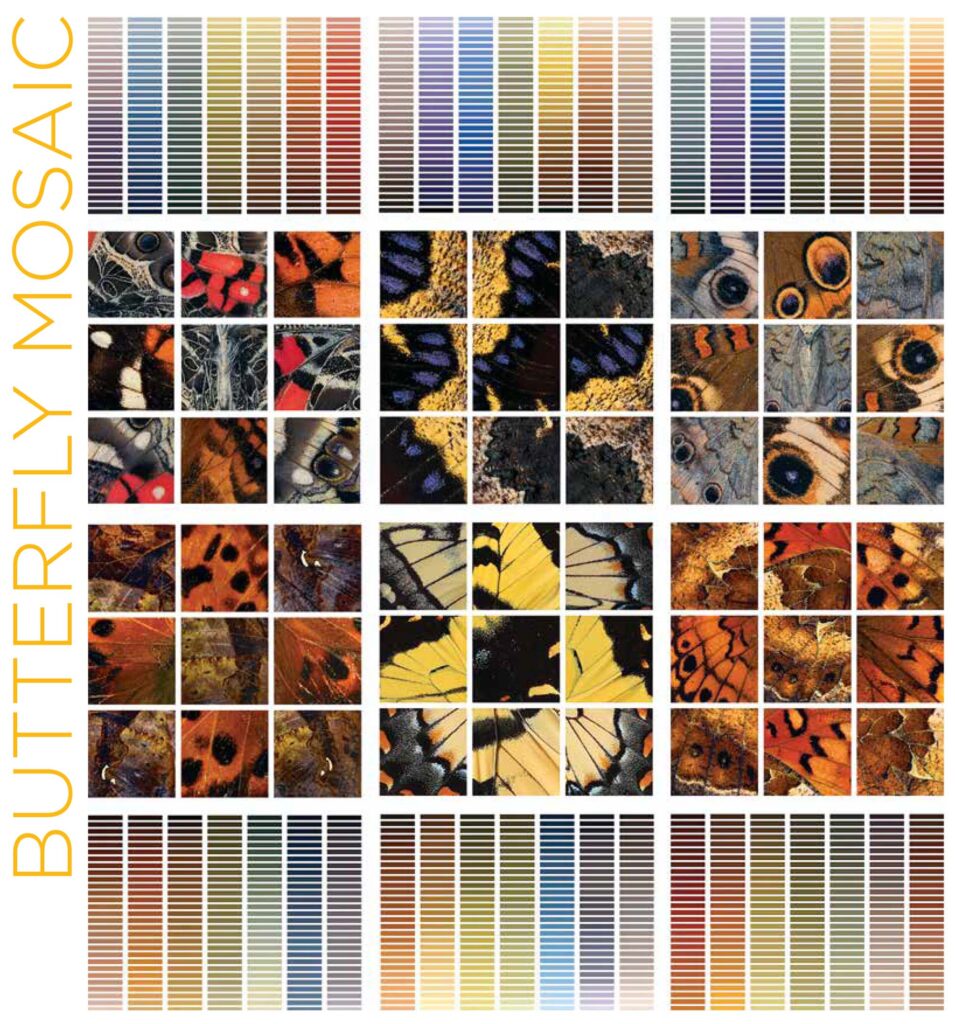
In the spring of 2020, Kathleen John-Alder initiated a study that explored the material and temporal dynamics of the Pine Barrens, one of the largest tracts of undisturbed land on the eastern seaboard, using soil, water, plants, and animals as material evidence. The study initially focused on the biotic community of the Pine Barrens, deploying field surveys, photography, archival research, interviews, and personal observations to capture the coloration of the various species of birds, reptiles, and butterflies that inhabit this landscape. Subsequent studies explored the variable surfaces, reflections, plant life, transparencies, and colors of water. Graffiti on abandoned brickworks documented the impact of anthropogenic actions. The work of Annie Dillard, one of the great natural history writers of the 20th century, served as a catalyst for the use of complete immersion as a way to see and know a landscape, and live responsibility within it.
According to John-Alder, the study flips the quantitative methods of landscape architecture to highlight visual beauty rather than functional value, thus becoming a means to interrogate disciplinary certainties. “I think I saw it as a subversive way to critique the discipline’s ways of seeing,” she observed in an interview for the article, “and if I did so, I wondered if this would foster a more inclusive attentiveness to other-than-human organisms, processes, and agencies.”